
Guided assessment · Hair
Hair loss: organize what you have noticed before your visit.
Scalp Map uses illustrations to compare hair-loss patterns and records changes to the hair and scalp. The practice can review those observations during the visit.
No sign-up required. Use fictional answers. The summary appears in your browser without asking for a name or phone number.
Fictional case · demo
Example summary for the practice
- Selected pattern
- Thinning noticed on top of the head
- Reported changes
- More noticeable hair loss in recent months
- Scalp
- Itching reported in the area
Illustrative example. Demo data stays in the session.
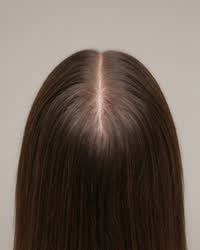
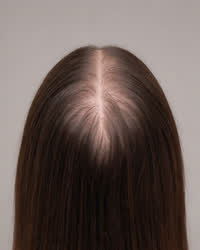
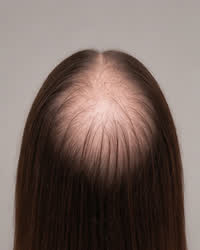
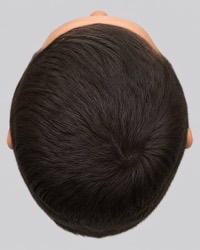
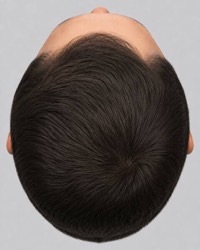
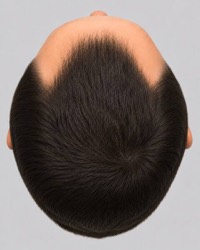
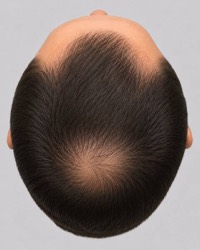
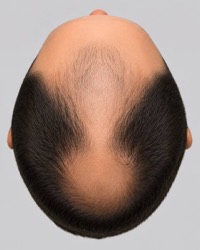
Two scales, one illustration per stage
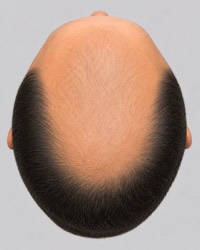
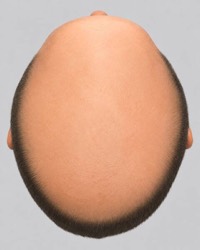
How the patient participates
4 steps. One summary.
Chooses the pattern
Female pattern using the Ludwig scale, or male pattern using the Norwood scale. This choice changes the entire assessment.
Compares and selects the stage
All stages are visible from above or from the front; the selected stage is enlarged in both views before continuing.
Answers questions that vary with the stage
Hair-loss activity, scalp condition, and warning signs. In advanced stages: stability, donor area, and expectations.
Receives the summary
See the selected pattern, reported changes, and topics to discuss during the visit.
What the patient receives
- Self-classified pattern stage
- Hair-loss activity or period of stability
- Donor area and scalp symptoms
- Signs that require investigation first
What the practice would receive
- Reported observations for professional review
- Selected pattern and changes in hair loss
- Scalp symptoms reported by the patient
- Demo without contact details
This preview is generated in your browser from the demo answers. Nothing is sent to a practice.
Method
Hamilton-Norwood and Ludwig are visual classification scales, used here for assisted self-classification; the definitive classification comes from the examination. The activity, scalp, and investigation-sign sections are trichological history items, with provisional thresholds for the clinical leadership to review and approve.
Limitations
- It does not diagnose or replace in-office trichoscopy.
- It does not recommend transplantation or promise results.
- No photos are requested at any stage.
Demo. It does not replace professional assessment and is not integrated with the practice.
Discuss this assessment for my practice